Uncovering the Untold Story of The Girijan Cooperative Corporation's Organic Coffee Triumph in European Markets

The Girijan Cooperative Corporation (GCC) has sparked interest by securing organic certification for its exceptional Araku Valley Coffee. This achievement elevates the local coffee and provides fresh opportunities in European markets. GCC emphasizes organic farming methods, setting a standard for sustainable agriculture while celebrating the rich culture of tribal farming.
A Brief History of Araku Valley Coffee
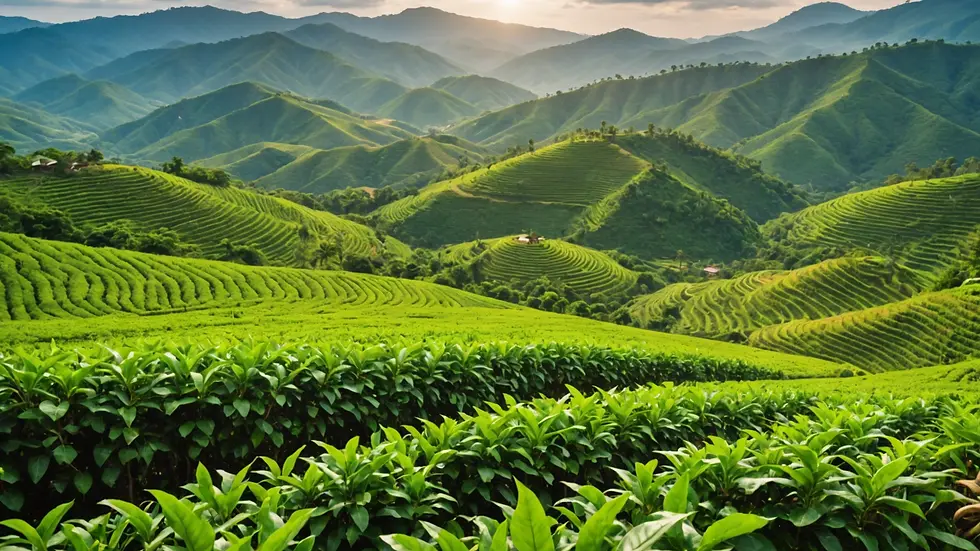
The Araku Valley, situated in the Eastern Ghats of India, is renowned for its coffee-growing heritage. For generations, tribal farmers have nurtured coffee plants, integrating rich traditions and local knowledge into their farming practices. However, these farmers faced hurdles due to limited recognition and inadequate access to broader markets.
The GCC has been instrumental in fortifying these communities. It champions fair trade practices and promotes eco-friendly farming techniques. The recent organic certification not only adds a layer of credibility but also significantly enhances the marketability of Araku Valley Coffee on the global stage.
The Importance of Organic Certification
Securing organic certification requires meticulous adherence to stringent standards. This includes eliminating synthetic pesticides and fertilizers from farming operations. GCC's commitment to these principles underscores its dedication to sustainability.
Organic methods improve coffee quality while benefiting the environment. For instance, organic farming boosts soil health, conserves approximately 30% more water compared to conventional methods, and supports local biodiversity. Furthermore, organic certification attracts health-conscious consumers, creating a niche market for GCC's coffee.
Tapping into European Markets
With organic certification as a game-changer, GCC's Araku Valley Coffee is prime for introduction into Europe. In fact, European consumers are increasingly opting for sustainably sourced products, with organic coffee demand growing at an average rate of 10% yearly.
Araku Valley Coffee exhibits a unique flavor profile bursting with rich aromas and vibrant tastes, making it a contender in the specialty coffee market. To successfully enter this competitive landscape, GCC is focusing on developing strategic partnerships with European distributors and roasters. This collaboration is essential for effective market penetration and brand establishment.

Environmental Benefits of Organic Farming
Transitioning to organic farming is not just about market access; it is a vital step towards environmental sustainability. Organic practices lead to reduced reliance on harmful chemicals, benefiting ecosystems and local wildlife.
For example, organic farming practices can improve soil health and prevent erosion, with studies indicating that they can enhance soil carbon retention by up to 30%. By incorporating diverse crops and native plants, GCC promotes biodiversity, which is crucial for sustaining the local environment and mitigating climate change.
Empowering Tribal Farmers
The organic certification and market entry into Europe directly uplift tribal farmers who have faced economic barriers. These farmers now stand to gain fair prices for their premium-quality coffee, reversing a history of exploitation.
The cooperative model ensures profits are shared equitably among farmers, allowing them to reinvest in their communities and promote sustainable practices. For instance, this newfound income enables farmers to send their children to school while preserving their cultural heritage amidst globalization.
By blending modern agricultural strategies with traditional methods, GCC provides tribal farmers with tools needed to remain competitive. This empowers them economically and safeguards their cultural identity.
The Future of Araku Valley Coffee
Looking ahead, the prospects for Araku Valley Coffee in Europe are vast. As consumer awareness regarding ethical purchasing increases, the demand for organic and responsibly sourced products is likely to soar. GCC is ideally positioned to meet this growing interest while ensuring benefits flow back to the farmers.
Additionally, marketing efforts are crucial. Sharing compelling stories about the farmers behind the coffee, coupled with engaging visual content, will enhance consumer connection and foster brand loyalty. Expanding into other organic products could also diversify revenue streams for GCC, maximizing their impact.
A Bright Tomorrow for Araku Valley Coffee
The Girijan Cooperative Corporation's success in obtaining organic certification for Araku Valley Coffee signifies a transformative moment for tribal farmers in the Alluri Sitharama Raju district. It opens doors to new markets, advances sustainability efforts, and empowers local communities.
As GCC navigates the complexities of the European market, its focus on quality and environmental responsibility will be essential for long-lasting success. This journey is not only a victory for coffee lovers but also a celebration of a unique culture dedicated to preserving the planet.
In a world where every choice counts, Araku Valley Coffee exemplifies that it is possible to achieve economic development while honoring heritage and protecting our environment.


Comments